
Of all the ghost ships sailors ever whispered about, none is more famous than the Flying Dutchman. Picture a storm off the Cape of Good Hope, the sea heaving, and out of the spray comes an old-fashioned ship under full sail, glowing with a strange light, heading straight into the wind. To see her, so the old sailors said, meant that disaster was coming. In this post I want to trace where the legend really comes from, how it grew, the famous “sightings”, and the scientific explanation that probably lies behind it all.
The legend in a nutshell
The best-known version goes like this. A Dutch captain, trying to round the Cape of Good Hope in a terrible gale, refuses to turn back. He swears that he will round the Cape even if it takes him until Judgment Day. Heaven takes him at his word. He and his ship are doomed to sail the seas forever, never able to make port.
Over time sailors added details. The phantom ship might come alongside and ask you to carry letters home, addressed to people who had been dead for many years. Taking the letters would bring bad luck. And the ship was nearly always seen in foul weather, so she became an omen of storms and shipwreck.
Where did the story come from?
The legend is generally thought to have grown out of the 17th-century golden age of the Dutch East India Company, the VOC, when Dutch ships sailed the long, dangerous route around the southern tip of Africa to Asia. The Cape of Good Hope, with its sudden gales, was a graveyard for ships, and it makes sense that stories would grow up there.
What surprises most people is how late the written record starts. The oldest surviving written mention dates from the late 18th century, not the 1600s. Here is the trail as far as historians can follow it:
- 1790: John MacDonald’s travel memoir records sailors in a storm saying they saw the Flying Dutchman, a ship that had been lost off the Cape after failing to find a pilot, and whose “vision” appeared in bad weather ever since.
- 1795: A Voyage to Botany Bay, attributed to George Barrington, tells of a Dutch man-of-war lost off the Cape and of sailors who later thought they saw her again in a storm.
- 1803: The Scottish poet John Leyden describes a spectre-ship whose crew were guilty of some terrible crime and were condemned to sail the ocean.
- 1812: Sir Walter Scott, in the notes to his poem Rokeby, calls her a ship laden with treasure on which murder and piracy were committed.
- 1821: Blackwood’s Edinburgh Magazine prints the first full story. It sets the scene at the Cape, names the captain Hendrick van der Decken, and introduces the oath and the letters to the dead.
Was there a real captain?
Some writers link the legend to Bernard Fokke, a Dutch captain said to have made amazingly fast voyages from the Netherlands to Java, so fast that people whispered he was in league with the Devil. It’s a tempting connection, but it isn’t proven, and the name used in the 1821 story is Van der Decken, not Fokke. Honestly, there was probably no single “real” Flying Dutchman. It looks more like a sailors’ tale that gathered a captain, a crime and a curse as it was retold.
It is also worth knowing that “Flying Dutchman” was originally the name of the ship’s captain in some versions, not just the ship. Over time, the name moved to the vessel.
Wagner, opera and the Dutchman’s fame
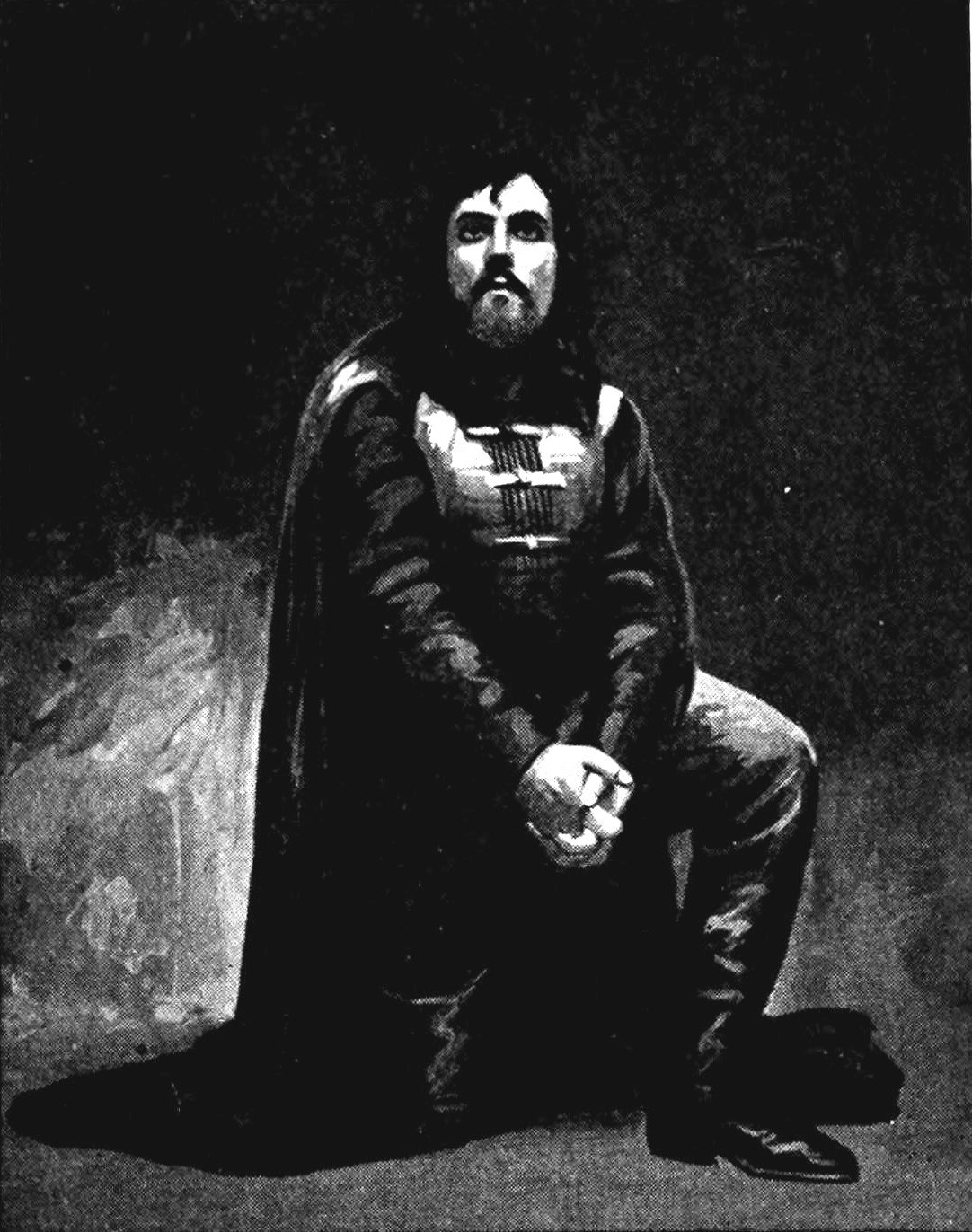
The legend went from sailors’ yarn to world fame through the stage. An English melodrama, The Flying Dutchman; or the Phantom Ship by Edward Fitzball, appeared in 1826. Frederick Marryat wrote a novel, The Phantom Ship, in 1839. The German poet Heinrich Heine gave the story a twist in the 1830s: the Dutchman could be saved by the love of a faithful woman. Richard Wagner borrowed that idea for his opera Der fliegende Holländer (The Flying Dutchman), first performed in Dresden in 1843. Wagner’s stormy overture is still one of the most dramatic pieces of sea music ever written.
Since then the Dutchman has sailed through paintings, poems, films and cartoons, including the Pirates of the Caribbean films and SpongeBob SquarePants. American painter Albert Pinkham Ryder’s moody canvas of the ship, now at the Smithsonian American Art Museum, is one of my favorite images of the legend.
The famous sightings
The royal sighting of 1881
The most famous report comes from a royal teenager. In 1881 Prince George of Wales, the future King George V, was on a long naval cruise with his older brother, Prince Albert Victor, aboard HMS Bacchante. The published journal of their cruise records that at 4 a.m. on 11 July 1881, off the coast of Australia, “the Flying Dutchman crossed our bows”, glowing with “a strange red light as of a phantom ship all aglow”. The entry says thirteen people saw it, and adds that the lookout who first reported it fell from the rigging and was killed later that morning.
That is documented in the published journal. Whether what they saw was a ghost is a different question. It’s also worth noting that it isn’t certain which of the two princes wrote that entry, as the journal was edited before publication.
Sightings off South Africa
The Cape has produced the most local reports. One often-repeated story says that in March 1939 dozens of people on the beach at Glencairn, near Simon’s Town on the False Bay coast, saw a sailing ship heading into the wind with no breeze to drive her. I have only found this in later retellings rather than in contemporary newspapers, so I’d file it under folklore. Other reports from the 19th and 20th centuries describe a glowing ship that vanishes as it gets close.
A likely explanation: the Fata Morgana
The most convincing explanation for Flying Dutchman sightings isn’t supernatural at all. It’s an optical illusion called a superior mirage, and its most dramatic form is known as a Fata Morgana.
When a layer of warm air sits over a layer of much colder air near the sea surface, light bends as it passes through them. The result can be an image of a distant ship, sometimes one far below the horizon, appearing to float above the water, stretched, upside down or stacked. A ship seen this way can look huge and ghostly, and it can seem to sail through the sky or against the wind. The cold currents around the tip of Africa are just the kind of place where these conditions happen.
Add storms, exhaustion, fear and a crew that already knew the story, and it’s not hard to see how a mirage could turn into a phantom ship. That doesn’t make the legend any less wonderful. It just shows how real experiences and old stories feed each other.
Where to see it
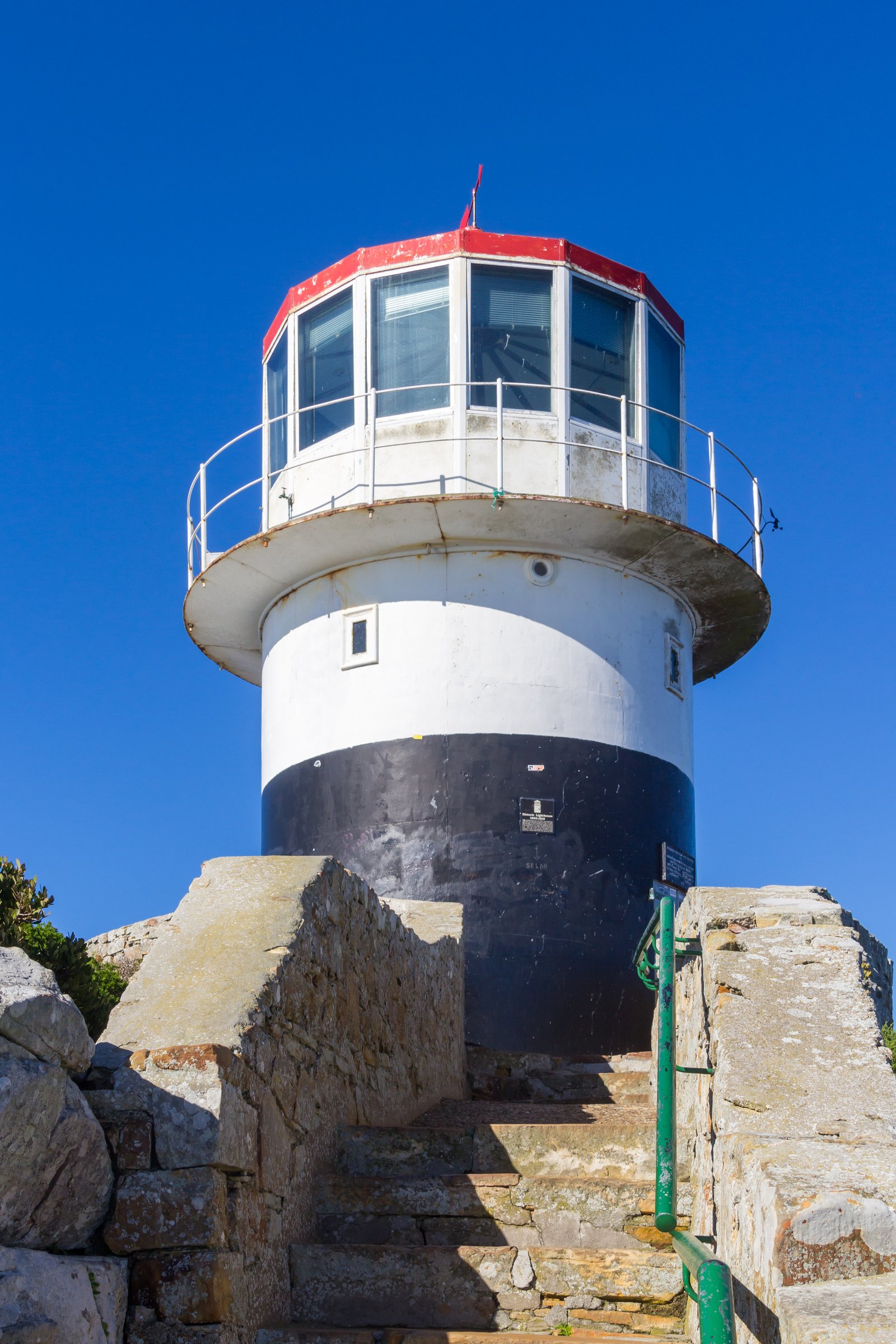
You can’t book a ticket to see the Flying Dutchman, of course. But if you want to stand where the legend was born, Cape Point and the Cape of Good Hope in Table Mountain National Park, south of Cape Town, are the places to go. The lighthouse at Cape Point looks out over the waters where the ship is said to sail, and on a stormy day it’s easy to imagine her. Check the national park’s website for opening times and fees before you go. If you prefer your ghosts indoors, a performance of Wagner’s opera is the next best thing.
FAQ
Was the Flying Dutchman a real ship?
There is no evidence of one real ship called the Flying Dutchman. The legend seems to have grown out of sailors’ tales from the era of the Dutch East India Company, and it was first written down in the late 18th century.
Who is the captain of the Flying Dutchman?
The 1821 story in Blackwood’s Magazine names him Van der Decken. Some writers connect the legend to a real Dutch captain, Bernard Fokke, but that link isn’t proven.
Did King George V really see the Flying Dutchman?
The published journal of the HMS Bacchante cruise records a sighting on 11 July 1881, when the future George V was aboard. What they actually saw is unknown, and it isn’t certain which prince wrote that entry.
What causes Flying Dutchman sightings?
The most likely explanation is a superior mirage, or Fata Morgana, which can make a distant ship appear to float above the sea.
Top image: The Flying Dutchman, painted by Albert Pinkham Ryder, c. 1896. Painting: Albert Pinkham Ryder, public domain, via Wikimedia Commons